
Peptide therapy Bangkok has moved from a niche interest to a mainstream offering across the city’s growing longevity and wellness ecosystem. Walk into any of Bangkok’s better-resourced longevity clinics and you will find protocols covering everything from growth hormone secretagogues and tissue repair compounds to immune-modulating peptides and exosome infusions.
The science behind these treatments is genuinely interesting. The marketing surrounding them is often breathless. And the gap between the two matters considerably when you are deciding whether to spend 20,000 baht on a peptide protocol or 150,000 baht on an exosome infusion.

This guide covers what peptides and exosomes are, what the current research actually shows for each category, what Bangkok offers in this space, and how to approach these therapies in a way that makes sense for where you are in your health journey.
For broader context on longevity medicine in Bangkok, including NAD+ therapy, hormone optimization, and biological age testing, see our complete longevity medicine guide.
What peptides are and why they matter
Peptides are short chains of amino acids, the building blocks of proteins, that act as biological signalling molecules. The body produces thousands of them naturally. Each one triggers a specific physiological response: stimulating hormone release, promoting tissue repair, modulating immune function, or regulating inflammation.
What makes peptides interesting in the longevity and regenerative medicine context is their specificity. Unlike broad-spectrum supplements or systemic hormones, a well-characterized peptide acts on a relatively defined target. That specificity is also why peptide therapy Bangkok providers need to be chosen carefully: the right compound for a specific goal is very different from a generic peptide protocol.
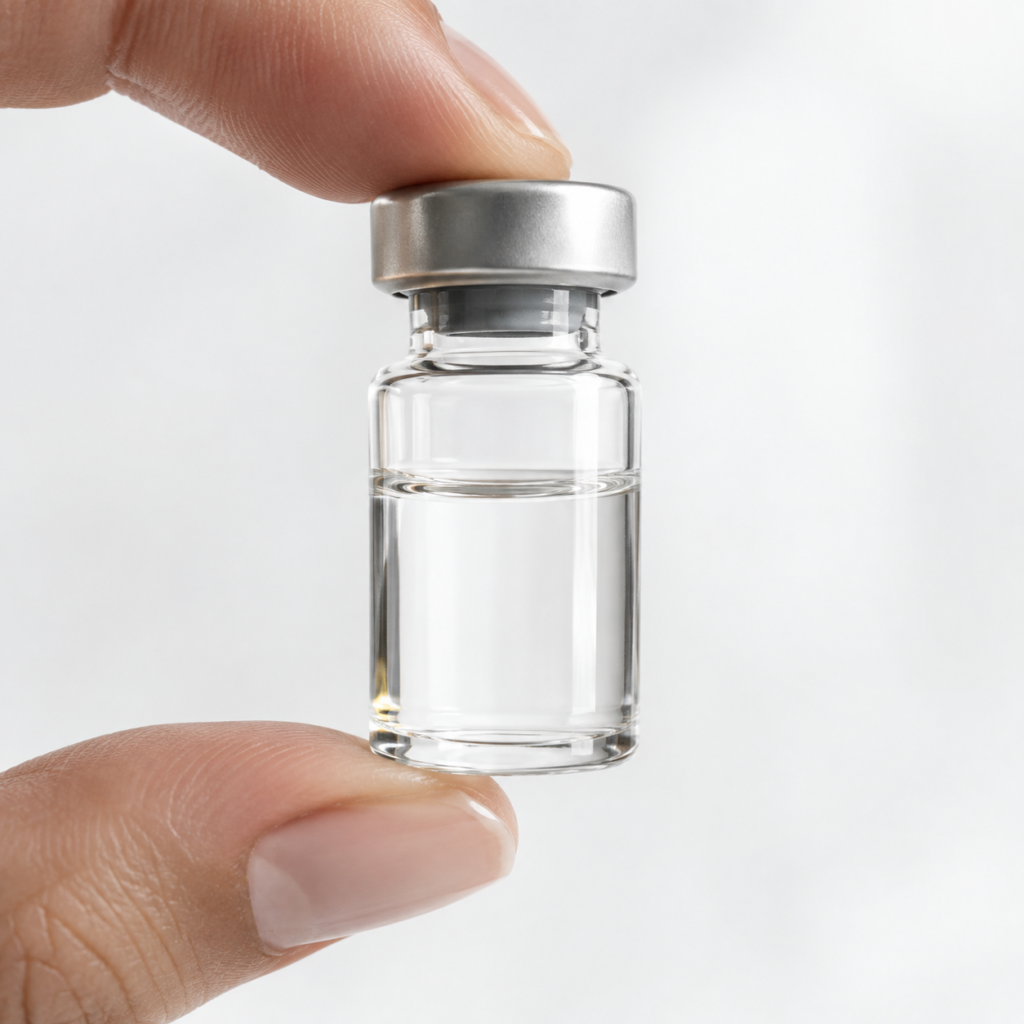
The regulatory context for peptides is important to understand before anything else. In Thailand, peptide therapy is legally administered under physician supervision at licensed clinics. Most therapeutic peptides used in clinical longevity settings are not licensed for human use by the FDA, MHRA, or TGA, and are supplied through compounding or research-chemical channels rather than as approved medicines. This does not make them inaccessible or necessarily unsafe, it means they are being used ahead of full regulatory approval, and the evidence base varies considerably by compound. A physician-supervised protocol with appropriate baseline testing and monitoring is the baseline requirement for any responsible engagement with these therapies.
The peptides with the strongest evidence base
Not all peptides are created equal, and the evidence supporting each compound sits at different points on the research spectrum. Here is an honest account of where the most commonly offered peptide therapy Bangkok compounds actually stand.

Thymosin Alpha-1 (TA-1)
Thymosin Alpha-1 has the most established clinical track record of any peptide in the longevity and immune modulation context. It is approved in several countries for hepatitis B and C treatment and has been used clinically in adjunctive cancer immunotherapy protocols. Its mechanism is well understood: TA-1 enhances T-cell maturation and immune response, and has demonstrated anti-inflammatory and antiviral properties in randomized controlled trials.
For longevity applications, its relevance lies in immune senescence, the gradual decline in immune function with age that leaves older adults more vulnerable to infection, cancer, and chronic inflammation. TA-1 is the compound in this category most supported by published human evidence, and its use at Bangkok’s better longevity clinics reflects that standing.
BPC-157 (Body Protection Compound 157)
BPC-157 is one of the most widely prescribed peptides in Bangkok’s regenerative medicine clinics, and its popularity is not entirely unearned. It is a synthetic peptide derived from a protective protein found in gastric juice, and the preclinical evidence for its effects on tissue repair, inflammation reduction, and gastrointestinal healing is substantial. Animal studies consistently show accelerated healing of tendons, ligaments, muscles, and intestinal tissue.
The honest caveat is that BPC-157 remains primarily a preclinical compound for most applications. There are no completed large-scale randomized controlled trials in humans for its longevity or regenerative applications, though clinical use and observation have generated a body of patient-reported outcomes that practitioners cite. It is widely used in Bangkok sports medicine and recovery contexts with a generally good safety record. Patients considering it should understand the distinction between strong preclinical evidence and established human clinical evidence.
CJC-1295 and Ipamorelin (Growth Hormone Secretagogues)
These two compounds are typically used together. CJC-1295 is a growth hormone releasing hormone (GHRH) analogue that stimulates the pituitary gland to produce more growth hormone. Ipamorelin is a growth hormone releasing peptide (GHRP) that triggers growth hormone release through a complementary pathway. Used in combination, they produce a more sustained and physiologically natural growth hormone pulse than synthetic HGH injections.
The clinical rationale is sound: growth hormone declines considerably with age, and its reduction contributes to changes in body composition, energy, recovery, and metabolic function. The combination avoids the side effect profile of exogenous HGH while producing meaningful increases in IGF-1 (insulin-like growth factor 1), which can be tracked through standard blood panels.
Bangkok longevity clinics offer this combination widely, typically administered by subcutaneous injection before sleep. Monitoring IGF-1 levels at baseline and at regular intervals during the protocol is standard practice at the better facilities.
Tesamorelin
Tesamorelin is the only growth hormone-related peptide with full FDA approval, specifically for reducing visceral adiposity in adults with HIV-associated lipodystrophy. A randomized, double-blind, placebo-controlled trial led by researchers at the University of Washington School of Medicine demonstrated favorable effects on executive function and verbal memory in both healthy older adults and those with mild cognitive impairment. Phase III clinical trials showed 15 to 18 percent visceral fat reduction measured by CT imaging, a meaningful and well-documented outcome.
Its FDA approval status makes it the most clinically validated option in the growth hormone peptide category, and it is available through physician-supervised protocols at Bangkok’s better-resourced longevity clinics.
Epithalon
Epithalon is a synthetic tetrapeptide derived from the pineal gland that has been studied primarily in Russian research for its effects on telomere elongation, melatonin regulation, and aging markers. The published research, while interesting, comes largely from animal models and small human studies conducted by a limited group of researchers. It is offered at some Bangkok longevity clinics and has a following among people interested in telomere biology.
The honest position is that Epithalon sits at the earlier end of the evidence spectrum. It is not without biological rationale, but patients considering it should do so with clear awareness of where the research currently stands.
MOTS-c and other mitochondrial peptides
MOTS-c is a mitochondrial-derived peptide that has attracted research attention for its effects on metabolic flexibility, insulin sensitivity, and exercise capacity. A 2021 study in Nature Aging found that MOTS-c levels decline with age and that supplementation in aged mice produced effects resembling those of regular exercise. Human trials are in early stages.
These newer mitochondrial peptides represent the frontier of the field, scientifically compelling, biologically plausible, and still several years away from the level of human clinical evidence that would make them a routine recommendation.
Exosome therapy in Bangkok: what it is and what the research shows

Exosome therapy Bangkok is one of the fastest-growing categories in regenerative medicine, and one of the most frequently misrepresented.
Exosomes are extracellular vesicles, tiny membrane-enclosed particles released by cells that carry proteins, lipids, RNA, and signalling molecules. They act as intercellular messengers, studied for their ability to transmit the biological signals of healthy, young cells to aged or damaged tissue.
The biological rationale is compelling. The clinical evidence, as of 2026, is more nuanced.
A clinical review published in the Aesthetic Surgery Journal in 2026, analyzing nearly 40 studies including 26 focused on skin and 13 on hair, reported improvements in wrinkles, pigmentation, elasticity, texture, and erythema. A meta-analysis published in Cureus in 2026 that included 19 studies found associations between exosome use and short-term improvements in skin hydration, elasticity, and pigmentation. However, researchers emphasized that the overall quality of evidence remains low, most human studies have been small, open-label, and without robust comparator groups.
A comprehensive analysis of human trials published in the SAGE Journals in 2026 found that MSC-derived exosomes demonstrated promising regenerative, immunomodulatory, and anti-inflammatory effects across multiple applications with generally strong safety profiles. The authors noted that ongoing trials and standardized protocols for exosome isolation, characterization, and dosing are needed before definitive efficacy conclusions can be drawn.
For hair regeneration, a 2025 systematic review published in Dove Press analyzing 11 clinical studies including two randomized controlled trials found that exosome therapy showed promise for androgenetic alopecia with a good safety profile, while concluding that the safety and efficacy of the approach remain to be definitively established.
What this picture adds up to: exosome therapy has a genuine and growing body of evidence supporting its safety and showing promising efficacy signals, particularly in skin rejuvenation and hair regeneration contexts. The evidence for systemic longevity applications is less mature. The treatments are not experimental in the sense of being fringe, they are experimental in the sense that the field has not yet produced the large-scale randomized controlled trials that would move them from promising to established.
Bangkok’s approach to exosome therapy reflects this. The regulatory environment in Thailand allows these treatments at accredited institutions working with certified products. The quality variation between providers is wide. Sourcing, product certification, sterility testing, and physician supervision are the variables that determine whether a patient accesses a responsibly administered protocol or an unmonitored injection of unknown provenance.
What peptide therapy Bangkok costs in 2026
Peptide therapy in Thailand costs considerably less than equivalent protocols in the US, UK, or Australia. Here is a practical overview:
Individual peptides (monthly protocol, physician-supervised): 15,000 to 45,000 baht depending on the compound and dosage. GH secretagogue combinations (CJC-1295 and ipamorelin) typically sit in the 20,000 to 35,000 baht per month range at Bangkok’s better facilities.
Thymosin Alpha-1 (course of injections): 8,000 to 25,000 baht for a standard protocol.
BPC-157 (oral or injectable course): 5,000 to 18,000 baht depending on administration route and duration.
Tesamorelin (monthly): 25,000 to 50,000 baht.
Exosome therapy (single systemic session): 30,000 to 150,000 baht depending on the source, quantity, and administration route. Topical or microneedling-assisted exosome applications for skin and hair sit at the lower end.
Combined peptide and exosome protocols (three to six months): 80,000 to 300,000 baht for a structured programme including monitoring.
Compare these figures to the US: peptide therapy in Thailand typically costs $400 to $650, compared with $800 to $1,600 in the United States and £650 to £1,200 in the UK. Exosome therapy in Western markets routinely exceeds $5,000 to $15,000 per systemic session.
How to access peptide therapy Bangkok properly

The accessibility of peptide therapy Bangkok is one of the things that makes the city genuinely useful for people taking their health seriously. It is also what makes the quality of your provider choice so consequential.
Here is what responsible access looks like:
Baseline testing before any protocol. A comprehensive blood panel including inflammatory markers, hormonal profiles, IGF-1 (for GH-related peptides), immune cell profiles (for TA-1), and metabolic indicators gives you a baseline against which to measure outcomes. Starting a protocol without this is spending money in the dark.
Physician supervision, not clinic coordination. Peptide protocols should be prescribed and monitored by a physician with specific training in regenerative or functional medicine, not simply administered by a coordinator who fills in a form. Bangkok has both, and the difference in the quality of what you receive is not marginal.
Product verification. Peptides should be pharmaceutical-grade and sourced from verified suppliers. Ask specifically about product sourcing and batch testing. A reputable clinic will answer this question readily; one that deflects is worth reconsidering.
Monitoring during the protocol. Repeat blood panels at appropriate intervals, typically eight to twelve weeks into a protocol, tell you whether the intervention is producing the measurable biological changes it is intended to produce. Without monitoring, you have no data and no basis for adjusting the protocol.
Realistic expectations. Peptide therapy produces real outcomes in the appropriate patient with the right compound and protocol. It is not a replacement for the foundational habits of sleep, nutrition, resistance training, and stress management. The best results come to patients who are already doing the basics well and are using peptides to go further.
Where Zengevity fits in
Zenify BKK’s Zengevity programme is designed specifically for the person who wants to approach longevity medicine in Bangkok properly, with the diagnostics, the structure, and the independent expert guidance that converts access to these therapies into a coherent, personalized health investment.
Zengevity clients who include peptide therapy or exosome therapy in their programme do so in the context of a full biological assessment, a sequenced intervention plan, and regular biomarker monitoring. The protocol is built around what their specific biology requires, not what is currently being marketed most aggressively.
If you want to understand what a properly structured peptide therapy Bangkok programme looks like for your situation, get in touch or request a consultation and we will take it from there.
Frequently asked questions
What is peptide therapy Bangkok? Peptide therapy Bangkok refers to physician-supervised protocols using short amino acid chains to trigger specific biological responses, including growth hormone stimulation, tissue repair, immune modulation, and cellular recovery. Bangkok’s longevity clinics offer a wide range of peptide compounds at prices considerably lower than Western markets, under Thailand’s physician-supervised regulatory framework.
Is peptide therapy legal in Thailand? Yes. Peptide therapy is legally administered under physician supervision at licensed clinics in Thailand. Most therapeutic peptides used in longevity settings are not approved medicines in Western regulatory frameworks, but they are legally compounded and administered in Thailand under medical oversight. Tesamorelin is the notable exception, holding FDA approval for specific indications.
What is the difference between peptides and exosomes? Peptides are short amino acid chains that act as biological signalling molecules targeting specific physiological pathways. Exosomes are extracellular vesicles released by cells that carry a broader payload of proteins, RNA, and signalling molecules. Both are studied for regenerative and longevity applications but through different mechanisms and with different evidence bases. Peptides generally have more established human research for specific compounds; exosomes have a younger but rapidly growing evidence base, particularly for aesthetic and hair regeneration applications.
How much does peptide therapy cost in Bangkok? Individual peptide protocols in Bangkok typically run 15,000 to 45,000 baht per month depending on the compound. GH secretagogue combinations such as CJC-1295 and ipamorelin sit in the 20,000 to 35,000 baht range. Exosome therapy runs 30,000 to 150,000 baht per systemic session. Comprehensive three to six month programmes combining peptides, exosomes, and monitoring range from 80,000 to 300,000 baht.
Which peptides have the strongest evidence base? Thymosin Alpha-1 has the strongest clinical evidence base, with randomized controlled trial data and approval in several countries for specific conditions. Tesamorelin holds FDA approval with Phase III clinical trial data showing 15 to 18 percent visceral fat reduction. BPC-157 has strong preclinical evidence for tissue repair with a good clinical safety record but limited large-scale human trials. CJC-1295 and ipamorelin have a well-established mechanism and clinical use history, particularly in the context of age-related growth hormone decline.
Is exosome therapy safe? At accredited facilities using certified, sterility-tested products under physician supervision, exosome therapy has demonstrated a generally favourable safety profile across published human studies. The main safety concerns in this space relate to unverified product sourcing and inadequate clinical oversight rather than to exosomes themselves. Choosing a provider with verifiable product certification and medical supervision materially reduces the risk profile.
What should I look for when choosing a peptide therapy Bangkok provider? Physician-led protocols rather than coordinator-managed ones. Baseline and follow-up blood testing as standard practice. Transparent answers about product sourcing and batch verification. A willingness to discuss what specific outcomes are realistic for your profile rather than making broad efficacy promises. Guidance from someone who knows the Bangkok market.
Zenify BKK is a premium health advisory and medical concierge service based in Bangkok, supporting expats, international patients, and health-conscious individuals navigating Thailand’s healthcare and longevity medicine market.
Connect with us → | connect@zenifybkk.com
