
Facelift surgery in Thailand attracts a different kind of medical tourist than most cosmetic procedures. The people making this trip have usually thought about it for a long time, done serious research, and arrived at a clear conclusion: the surgeons are qualified, the facilities are accredited, and the savings compared to the US, UK, or Australia are too large to ignore.
They’re right on all three counts. Bangkok has a growing number of surgeons who specialize in advanced facial rejuvenation techniques — including deep plane facelifts that remain rare outside of high-end practices in Western cities — at prices that are 50 to 85 percent below what the same procedure commands in New York or London.
This guide covers what facelift surgery in Thailand actually costs in 2026 by procedure type, how the main techniques differ and why it matters, what recovery looks like in practice, and what to look for when choosing a surgeon for a procedure of this magnitude.
What does a facelift cost in Thailand in 2026?
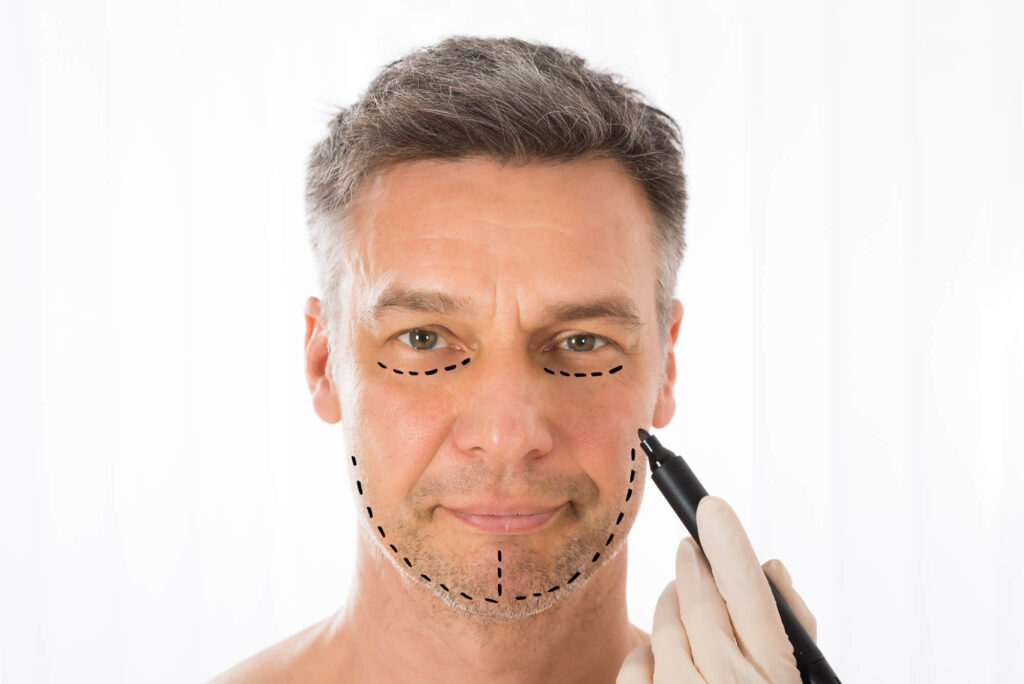
Facelift pricing in Thailand ranges more widely than most cosmetic procedures — from around $3,300 for a mini facelift at a standard clinic to $12,000 for a full deep plane facelift with neck lift at a premium facility. The technique, the surgeon’s experience, and the facility tier all drive that variation.
Here is a breakdown by procedure type:
Mini facelift — addresses mild to moderate jowling and lower face laxity through shorter incisions and a more limited correction. $3,300 to $5,200. Best suited to patients in their late 30s to mid-50s with early signs of facial ageing rather than deep structural change. Recovery is shorter and results, while less dramatic, are still meaningful.
SMAS facelift — the standard full facelift. Addresses the superficial musculoaponeurotic system — the layer of muscle and connective tissue beneath the skin — rather than tightening the skin alone. Results are more natural and longer-lasting than a skin-only procedure. $4,750 to $7,400 at reputable Bangkok facilities. This is the benchmark against which most facelift results are measured.
Deep plane facelift — the most advanced surgical technique currently performed. Repositions the skin and SMAS layer together as a single unit after releasing the underlying facial ligaments, allowing a vertical lift that avoids the lateral “pulled” look common in older methods. Results last 10 to 15 years. $3,700 to $11,800 in Bangkok depending on surgeon experience and facility. For context, the same procedure in the US averages $34,000.
Endoscopic facelift — a minimally invasive approach using small cameras and instruments through limited incisions. Best for patients seeking a midface lift with less downtime. $4,200 to $5,100 in Bangkok.
Facelift with neck lift — the neck is frequently addressed alongside the face for a cohesive result. Adding a neck lift typically increases the total by 20 to 30 percent.
Revision facelift — correcting the results of a previous procedure. More technically demanding and priced accordingly at $6,500 to $9,500.
Most packages at Bangkok’s better facilities include surgeon fees, anaesthesia, a one to two night hospital stay, post-operative medications, and follow-up appointments. Some include hotel accommodation and airport transfers. Read quotes carefully — what’s bundled varies widely between facilities.
The techniques: what actually separates them

This matters more for facelifts than almost any other cosmetic procedure. The technique your surgeon uses directly determines how natural your result looks, how long it lasts, and how the recovery unfolds.
Skin-only facelift — largely historical. Tightening only the skin without addressing the underlying structure produces a pulled appearance and results that fade within one to two years. Rarely performed today by surgeons who know what they’re doing.
SMAS facelift — the current standard for full facial rejuvenation. The SMAS layer is tightened or repositioned separately from the skin, which addresses the underlying cause of sagging rather than just the surface. Results are natural, recovery takes two to three weeks before returning to social activity, and results typically last seven to ten years. AI-assisted analysis of surgical outcomes shows that SMAS techniques achieve an average age reduction of five to six years compared to around three years for skin-only procedures.
Deep plane facelift — the technique that has changed what facelift surgery can achieve. Rather than tightening the SMAS and skin as separate layers, the deep plane approach releases the facial retaining ligaments and lifts the skin and SMAS together as one unit. Because tension is transferred to the deeper repositioned tissue rather than the skin surface, the result avoids the stretched, operated look entirely. The midface — cheeks, nasolabial folds, jawline — gets addressed comprehensively in a way that SMAS techniques cannot match. Deep plane facelift satisfaction rates exceed 94 percent in published clinical studies. Results last 10 to 15 years. The procedure takes four to six hours under general anaesthesia and requires a surgeon with specific training and high volume in this technique.
Mini facelift — appropriate for patients with mild aging in the lower face. Shorter incisions, limited correction, faster recovery. Not a compromise version of a full facelift — for the right patient at the right stage of aging, it produces excellent results. For patients with moderate to severe facial laxity, a mini facelift will not address what they’re actually trying to correct.
Endoscopic facelift — uses a camera and small instruments inserted through limited incisions to lift the midface and brow. Genuinely minimally invasive, with recovery measured in days rather than weeks for most patients. Best for targeted midface work rather than comprehensive lower face and neck rejuvenation.
The right technique for your case depends on your anatomy, the degree and location of laxity, your age, and your goals. A surgeon recommending the same technique for every patient regardless of these factors is a surgeon worth questioning.
Combining a facelift with other procedures
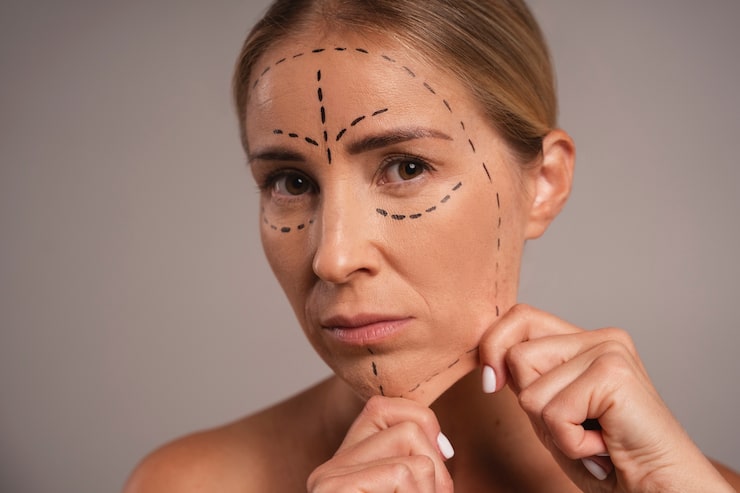
Many patients travelling to Bangkok for a facelift add complementary procedures during the same surgical session or trip:
Neck lift — almost always worth considering alongside a facelift. Addressing the neck separately at a later date produces an inconsistent result. Most Bangkok surgeons recommend treating the face and neck together.
Eyelid surgery (blepharoplasty) — upper or lower eyelid correction is one of the most common additions to a facelift. The eyes and the lower face age together; addressing both in the same trip produces a cohesive, balanced outcome.
Fat transfer — using fat harvested from elsewhere on the body to restore volume to the face. Facelift surgery lifts and tightens; fat transfer replaces the volume that aging removes. The two complement each other well and are frequently performed together.
Brow lift — for patients with marked brow ptosis or forehead laxity, a brow lift addresses what a facelift cannot. Often combined in the same surgical session.
Adding procedures increases the surgical time, the total cost, and the recovery period. The sequencing and recovery planning for a combined programme needs careful thought — particularly for patients flying long-haul within a few weeks of surgery.
Recovery: what to plan for
Facelift recovery takes longer than most other cosmetic procedures, and being honest about that upfront is worth more than a glossy brochure.
A realistic timeline:
- Days 1–3: Rest, with the head elevated to manage swelling. Most patients stay near the clinic. Drains, if used, are typically removed within the first 48 hours.
- Days 4–7: Swelling and bruising are at their most visible. Sutures are typically removed around day seven. Most patients are mobile and functional but not ready to be seen socially.
- Weeks 2–3: Swelling begins to noticeably reduce. Most patients can return to desk work and light activity. Bruising fades considerably.
- Week 4 onwards: The majority of swelling has resolved. Social activities resume for most patients. Strenuous exercise should wait until six weeks post-surgery.
- Months 3–6: Final results settle as residual swelling in the deeper tissues fully resolves.
Plan for a minimum of fourteen days in Thailand. Some patients with deep plane procedures or combined surgeries benefit from staying three weeks to allow for additional follow-up and comfortable recovery before a long flight.
Bangkok is a good place to recover. The standard of nursing care in the city’s private facilities is high, the accommodation options are comfortable, and having coordinators available who can communicate with your surgical team directly removes a lot of the friction that comes with recovering away from home.
How to choose the right surgeon
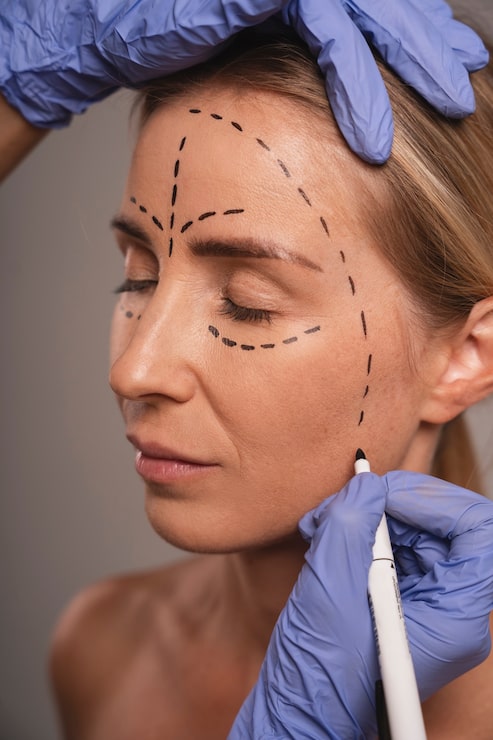
Facelift surgery — particularly deep plane technique — is among the most technically demanding procedures in plastic surgery. The result you get is almost entirely determined by the surgeon you choose.
Technique-specific experience matters more here than anywhere else. A surgeon who performs 50 deep plane facelifts a year is a fundamentally different proposition from one who performs the technique occasionally. Ask specifically how many facelifts of your specific type they perform annually.
Board certification and credentials. Your surgeon should hold certification from the Royal College of Surgeons of Thailand and ideally ISAPS membership. For deep plane technique specifically, ask about training — this is a procedure where the surgical education background matters.
A portfolio relevant to your case. Before-and-after photos from patients with similar facial structure, degree of laxity, and age range to yours. Results should look natural — the absence of an operated appearance is the goal, not dramatic tightening.
A surgeon who tells you what you actually need. A good facelift surgeon will occasionally tell a patient that a mini facelift is sufficient, or that a non-surgical approach is more appropriate for their stage of aging. One who recommends a full deep plane facelift to every patient regardless of anatomy is selling, not advising.
Knowing what to look for is the starting point. Knowing which surgeons in Bangkok genuinely have the experience and technique-specific volume to deliver on a procedure of this complexity is where having someone on the ground helps considerably.
How Zenify BKK can help
A facelift is not a decision to make based on a website quote and a few reviews. The surgeon matters more than the facility name, the technique matters more than the price, and the difference between a result you’re proud of and one you regret is almost always made before the patient arrives.
Zenify BKK connects patients coming to Bangkok for facelift surgery with surgeons whose credentials and track record match the specific procedure being considered — and provides support from initial case review through to post-operative follow-up. For patients combining a facelift with other procedures, we coordinate the full programme.
If you’re considering a facelift in Thailand and want guidance from people who know this market properly, request a quote or get in touch and we’ll take it from there.
Frequently asked questions
Is facelift surgery in Thailand safe? Yes — at the right facility with a qualified, experienced surgeon. Thailand’s leading plastic surgery facilities hold JCI accreditation and employ internationally trained surgeons with high procedure volumes. As with any complex surgical procedure, the outcome depends heavily on the experience of the specific surgeon performing it, not just the facility’s accreditation status.
How long do I need to stay in Thailand for a facelift? Plan for a minimum of fourteen days. Deep plane facelifts and combined procedures warrant closer to three weeks. This covers surgery, suture removal, initial healing, and a final follow-up before flying home.
What is the difference between a SMAS facelift and a deep plane facelift? A SMAS facelift tightens the muscle layer beneath the skin as a separate step before repositioning the skin. A deep plane facelift releases the underlying facial ligaments and lifts the skin and muscle together as one unit — a more technically demanding procedure that produces a more natural result, more comprehensive midface correction, and results that last 10 to 15 years rather than seven to ten. The deep plane technique requires a surgeon trained specifically in this approach with real, documented volume in it.
What is the right age for a facelift? There is no universal answer. Most facelift patients are in their 40s to 60s, but the right time is determined by the degree of facial laxity rather than a number. Some patients in their late 30s with early-onset laxity benefit from a mini facelift; some patients in their 60s are better candidates for non-surgical approaches depending on their skin and tissue quality. A qualified surgeon evaluates your specific anatomy rather than applying an age rule.
Can I combine a facelift with other procedures? Yes — and for most patients, combining a neck lift with a facelift produces a noticeably better overall result than treating the face alone. Eyelid surgery and fat transfer are also commonly combined. Zenify BKK can help coordinate a combined programme including the surgical planning and recovery timeline.
Will the result look natural? In the hands of a skilled surgeon using an appropriate technique, yes. The “operated” look that people associate with older facelift results comes from skin-only procedures that tighten horizontally under tension — a technique that is rarely used today. SMAS and deep plane techniques address the underlying structure rather than pulling the skin, which produces a result that looks like a refreshed version of yourself rather than a different person.
Zenify BKK is a premium health advisory and medical concierge service based in Bangkok, supporting expats, international patients, and medical tourists navigating Thailand’s healthcare and cosmetic surgery market.
